Restore smoother, more refined skin with personalized treatment for skin tags and moles at Seasons Dermatology and Aesthetics. From raised growths and irritation to changes in color, texture, or shape, Dr. Aaron Burch and Dr. Jared Brackenrich provide thoughtful, detail-oriented care to protect your skin’s health while preserving your natural comfort.
What Are Skin Tags & Moles?
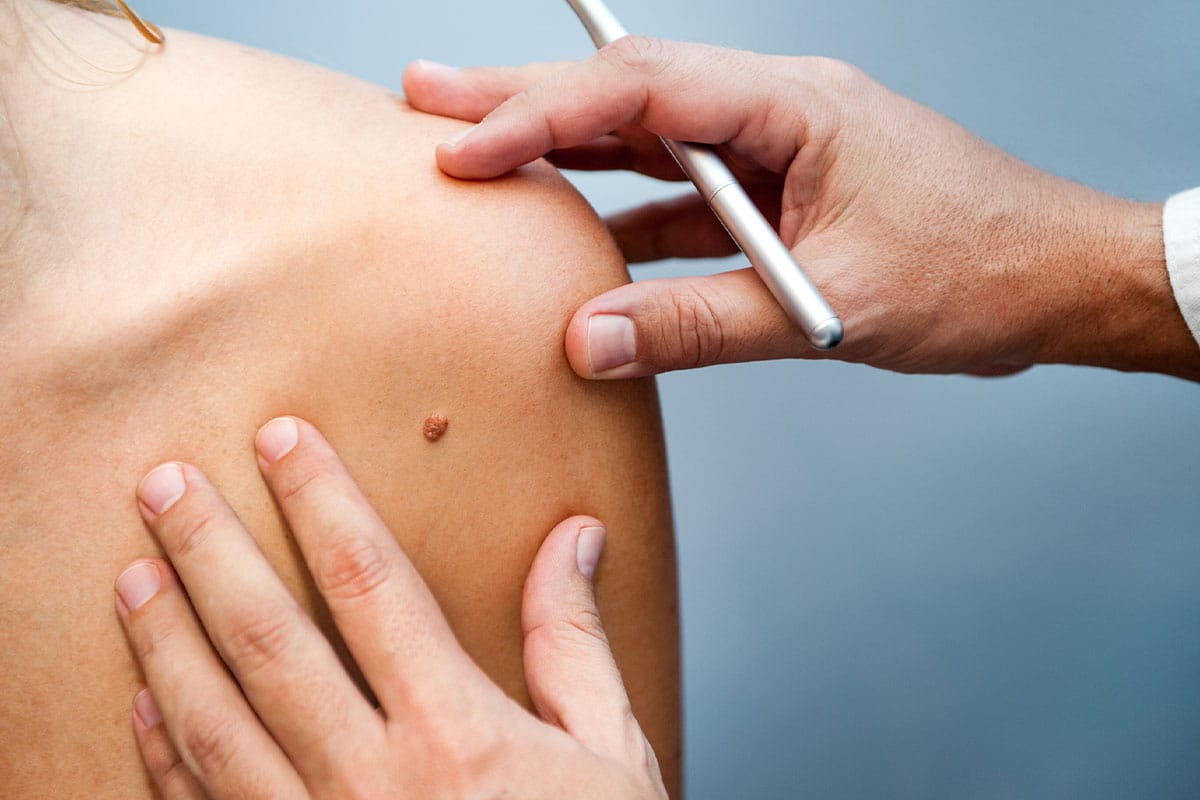
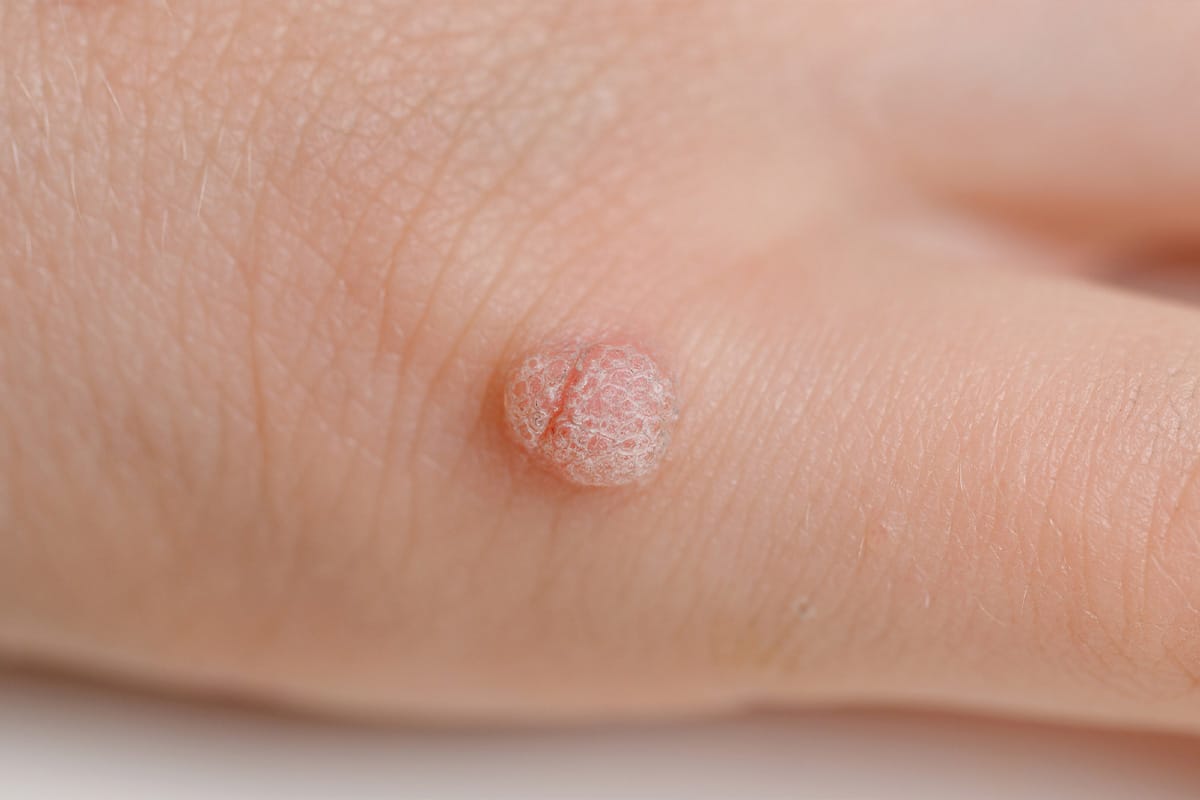
Skin tags are soft, benign growths that commonly develop in areas where skin experiences friction, such as the neck, underarms, eyelids, or groin. Moles are clusters of pigment-producing cells that may appear flat or raised and vary in size, shape, and color. While many skin tags and moles are harmless, some may become irritated, change over time, or raise cosmetic or medical concerns that warrant professional evaluation and monitoring.
What Are the Signs & Symptoms of Skin Tags & Moles?
- Small, soft growths developing in skin folds
- Flesh-colored or slightly darker raised lesions
- Flat or elevated pigmented spots on the skin
- Changes in the size, shape, or color of a mole
- Irritation from clothing, shaving, or jewelry friction
- Itching, tenderness, or occasional discomfort
- Bleeding or crusting after minor irritation
- New growths appearing over time
- Uneven borders or irregular pigmentation
- Clusters of growths in high-friction areas
How Are Skin Tags & Moles Removed?
Your consultation begins with a skin evaluation performed by Dr. Burch or Dr. Brackenrich. During your visit, they carefully examine the size, shape, texture, color, and location of each lesion while discussing any recent changes, irritation, or cosmetic concerns you may have noticed. If a mole appears atypical or suspicious, further evaluation or biopsy may be recommended to protect your long-term skin health.
Treatment is then tailored to the specific type of growth and your goals. Skin tags may be removed using precise techniques such as cryotherapy, snip excision, or electrocautery, while moles may be shaved, excised, or biopsied depending on their depth and appearance. The goal is always to remove unwanted or concerning lesions while preserving the integrity of your skin.
When Do Moles Become Suspicious?
While many moles remain stable and harmless throughout your life, certain changes can signal that a mole requires closer evaluation. A mole that begins evolving in appearance, sensation, or behavior may indicate abnormal cellular activity, including the possibility of skin cancer. Paying attention to subtle changes in your skin is an important part of protecting your long-term health and catching concerns early, when treatment is often most effective.
You should schedule a professional skin evaluation if you notice:
- A mole changing in size, shape, or elevation
- Uneven, blurred, or irregular borders
- Multiple colors developing within the same mole
- Rapid darkening or significant color changes
- Persistent itching, tenderness, or pain
- Bleeding, crusting, or scabbing without injury
- A mole becoming noticeably asymmetrical
- New moles appearing suddenly in adulthood
- A lesion that looks different from the surrounding moles
- A spot that continues evolving over time
Refined Dermatology for Every
Season of Life
Schedule Your Consultation for Skin Tags & Moles Treatment in Midland, TX
Seasons Dermatology and Aesthetics is committed to delivering thoughtful, elevated skin care tailored to your individual needs and to supporting your long-term confidence. Dr. Aaron Burch and Dr. Jared Brackenrich leverage their advanced dermatologic training and a personalized, patient-focused approach to evaluate and remove unwanted or suspicious lesions. If you are concerned about changing moles, schedule your consultation in Midland, TX today.